


Water damage in walls is one of the most common (and dangerous) forms of hidden property damage. Leaks, storms, burst pipes, or even high humidity can allow water to seep into drywall, insulation, and structural framing. Left untreated, it leads to mold growth, rot, and weakened walls that threaten the safety of your home. For a restoration company, understanding and addressing water damage in walls quickly is critical to preventing costly long-term repairs.
What Causes Water Damage in Walls
Water damage doesn’t always come from obvious flooding. It can start small and unnoticed.
Plumbing Leaks
Leaking pipes behind walls are a leading cause of water damage in walls. Over time, small drips saturate drywall and studs, causing bubbling paint or soft, spongy surfaces.
Roof and Window Leaks
Cracks in roofing, flashing, or poorly sealed windows allow rain to penetrate the structure. When water travels downward inside walls, damage can spread far from the original leak.
Foundation and Basement Issues
Groundwater seepage through cracks in foundations or basements causes persistent dampness. Moisture wicks upward into walls, leading to discoloration, peeling paint, and mold.
Condensation and Humidity
Even without leaks, poor ventilation can cause internal condensation. Over months or years, trapped moisture creates the same effects as a slow leak.
Signs of Water Damage in Walls
The earlier you recognize warning signs, the easier restoration will be.
Discoloration and Stains
Brown, yellow, or gray stains on walls are early indicators of hidden leaks. These marks often grow larger after heavy rainfall or plumbing use.
Bubbling or Peeling Paint
When water builds up behind paint, pressure pushes it outward, forming blisters or peeling areas.
Warped Walls and Soft Spots
Soft or uneven surfaces signal saturated drywall. Pressing gently may reveal weakened areas that crumble or deform easily.
Musty Odors
A damp, earthy smell means mold is forming. If the odor persists after cleaning, water damage in walls is likely hidden behind the surface.
Mold Growth
Visible mold or mildew spots confirm that moisture has been present long enough to support fungal growth. Mold not only damages materials but can harm indoor air quality.
The Restoration Process for Water-Damaged Walls
Step 1: Inspection
Professionals begin by locating the water source using moisture meters and thermal imaging. Finding the cause is essential before repairs begin.
Step 2: Water Removal
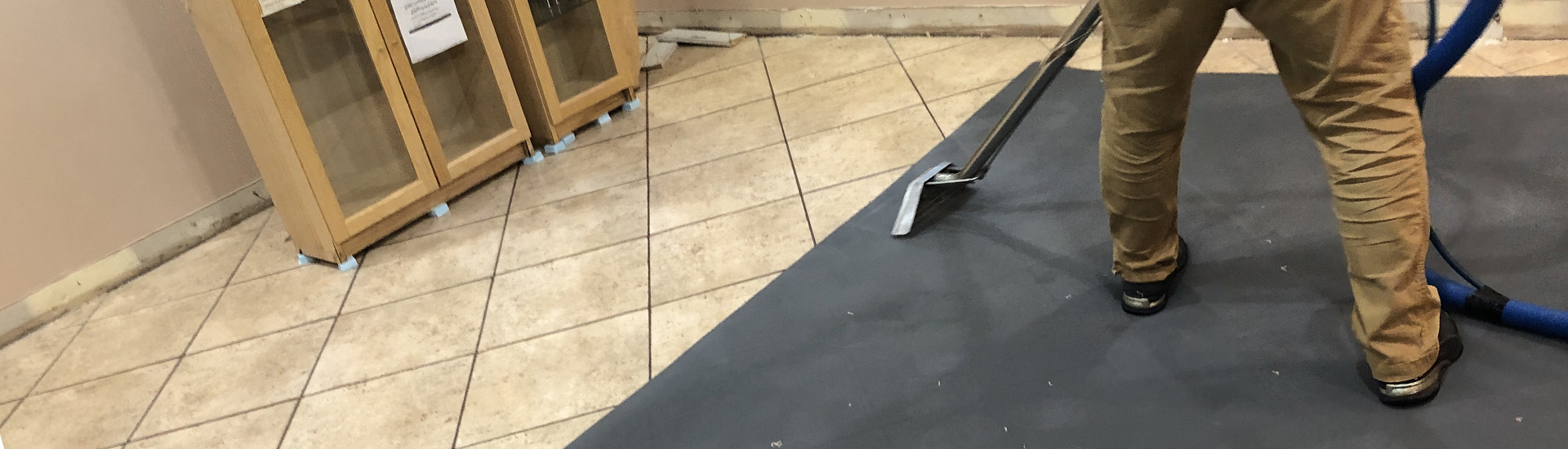
Any standing water or active leaks must be stopped. Then the team removes saturated materials, including drywall, insulation, and sometimes sections of framing.
Step 3: Drying and Dehumidification
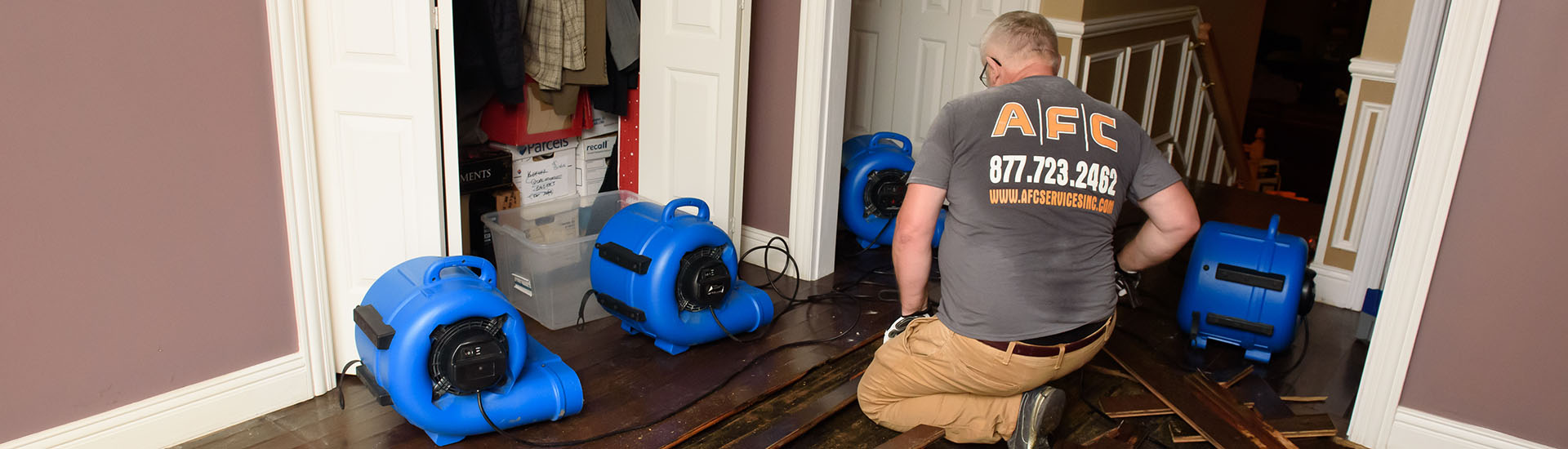
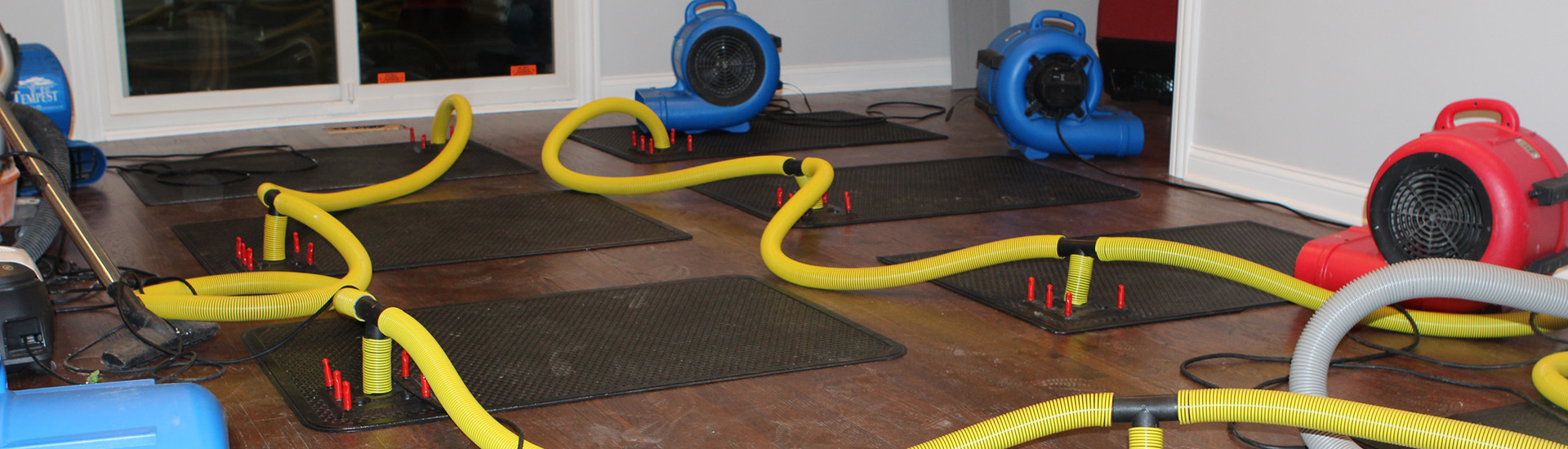
Industrial fans and dehumidifiers dry the interior spaces thoroughly. This process can take several days depending on how deep the water damage in walls runs.
Step 4: Mold Treatment
Antimicrobial solutions eliminate mold spores and prevent regrowth. All affected areas are sanitized before rebuilding starts.
Step 5: Repair and Rebuilding
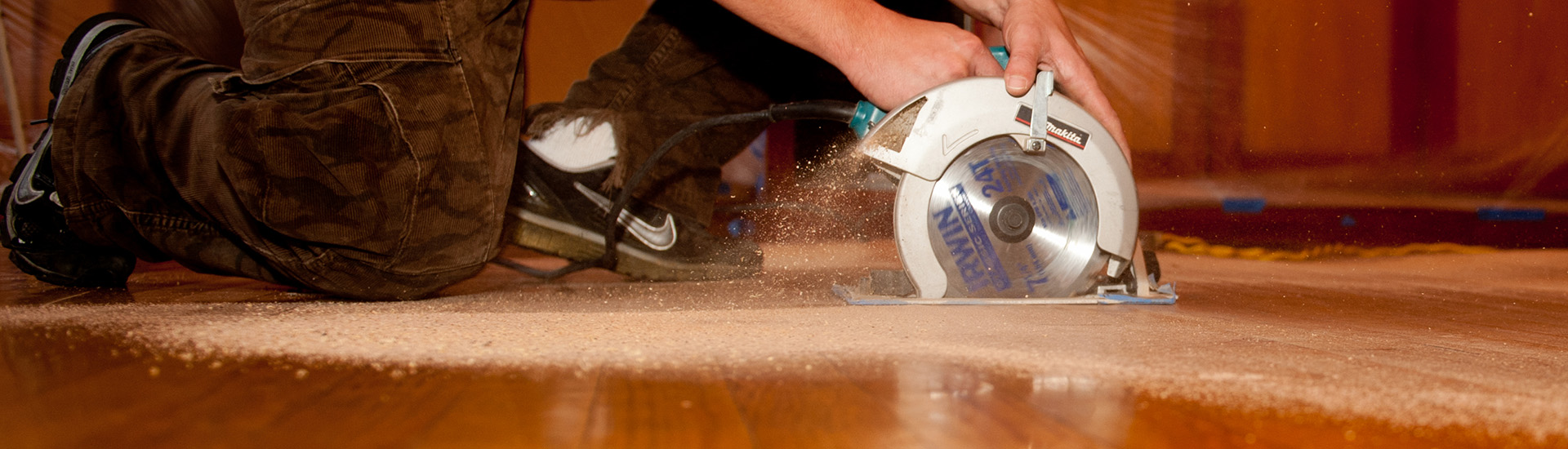
Once dry and clean, technicians replace drywall, repaint, and restore finishes to return the home to its original condition.
Why You Should Never Ignore Water Damage in Walls
Ignoring water issues leads to structural and health problems. Moisture trapped in walls weakens framing, corrodes metal fasteners, and destroys insulation’s effectiveness. Mold can begin forming within 24–48 hours after exposure.
What starts as a small leak can quickly become an expensive restoration project involving full wall replacement. Professional water damage restoration specialists have the tools to detect and treat hidden problems before they spread.
Water Damage in Walls: Professional vs. DIY Solutions
Some homeowners attempt to repair water damage in walls themselves, but DIY drying rarely reaches inside insulation or wall cavities. Without professional-grade dehumidifiers, hidden moisture remains, allowing mold to return. Certified technicians measure moisture levels inside materials and ensure complete drying before rebuilding.
Hiring a restoration company ensures the problem is not just covered up but permanently solved.
Preventing Future Water Damage in Walls
Prevention saves money and time. Regularly check for leaks under sinks, behind appliances, and near windows. Clean gutters and ensure proper drainage away from your foundation. Seal exterior cracks, and maintain your roof. Installing moisture detectors in vulnerable areas can alert you to hidden leaks before major damage occurs.
Consistent inspection and maintenance dramatically reduce the risk of water damage in walls recurring.
Water Damage in Walls
Water damage in walls is more than a cosmetic issue, it’s a structural and health concern that requires immediate attention. Early detection, fast professional response, and thorough drying are key to preventing mold and long-term deterioration.
For homeowners who suspect leaks, stains, or musty smells, contacting a professional restoration company ensures that hidden moisture is properly located, treated, and repaired. Acting quickly is the best way to protect your property and restore peace of mind.